How to Strengthen Your Pelvic Floor with Pilates
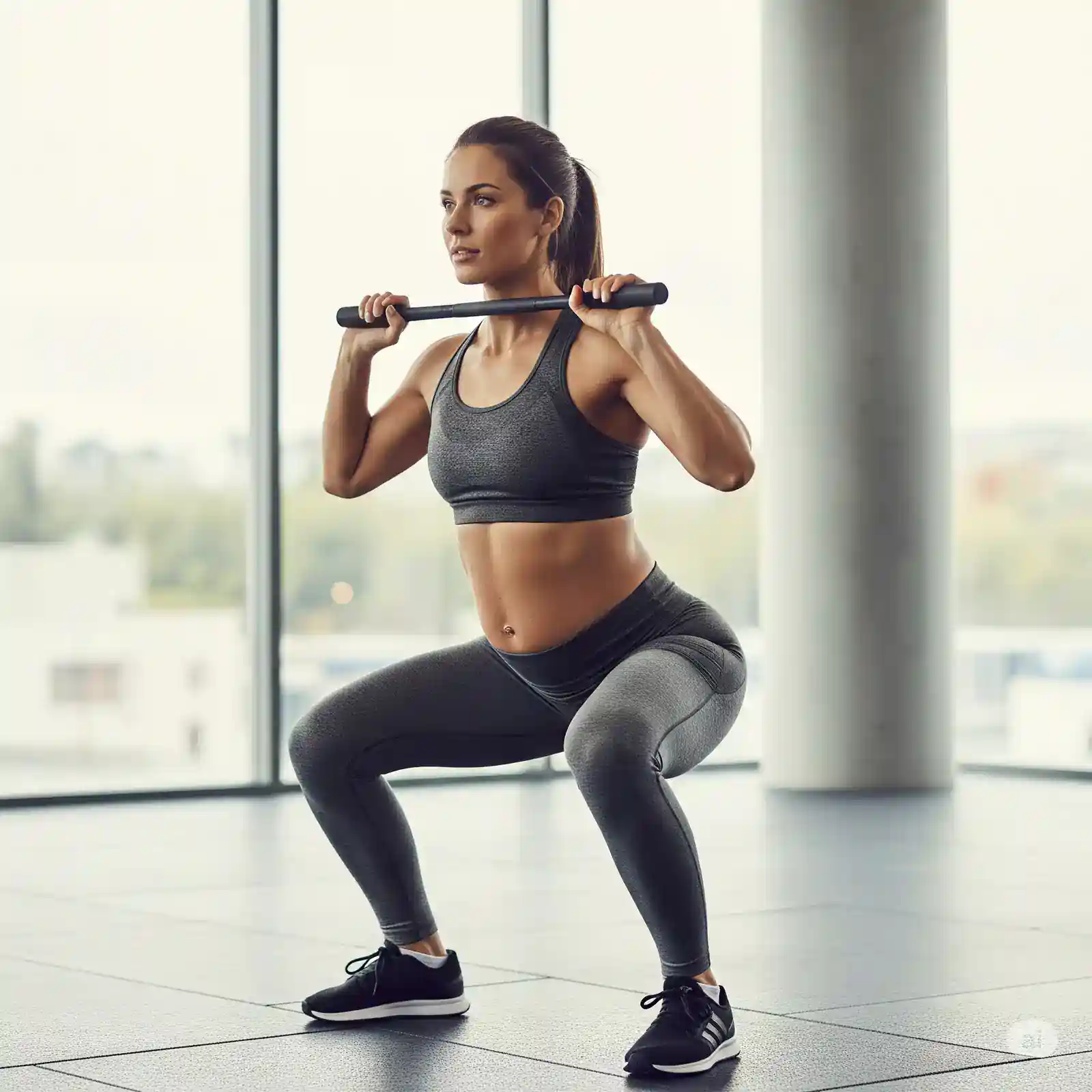
Strengthening your pelvic floor is crucial for postpartum recovery and long-term health. This comprehensive guide will help you master Pilates exercises designed to effectively strengthen your pelvic floor muscles.
Key Takeaways:
- Master proper pelvic floor engagement techniques
- Learn progressive strengthening exercises
- Understand safe movement patterns
- Discover effective breathing methods
- Build a sustainable strengthening routine
Understanding Pelvic Floor Strength
Recent research (2025) indicates that proper pelvic floor training can improve muscle function in 90% of postpartum women. Let's explore effective strategies.
Pelvic Floor Components
Key Elements - These include:
- Deep core muscles
- Bladder control
- Pelvic stability
- Postural support
- Core connection
Strength Assessment
- Muscle Awareness - Identify engagement
- Strength Testing - Evaluate function
- Control Assessment - Monitor coordination
Effective Strengthening Exercises
Foundation Movements
- Breathing Work - Core connection
- Pelvic Tilts - Basic engagement
- Kegel Variations - Muscle activation
Progressive Exercises
Level 1: Basic Strength
- Breathing Exercises - Deep connection
- Gentle Lifts - Muscle activation
- Core Engagement - Supportive work
Level 2: Building Power
- Bridge Variations - Progressive work
- Leg Slides - Controlled movement
- Arm Reaches - Integration
Safety Guidelines and Modifications
Essential Safety Tips
- Proper Form - Focus on alignment
- Gradual Progression - Increase slowly
- Body Awareness - Listen to signals
Common Modifications
For Early Recovery
- Supportive props
- Reduced intensity
- Focus on breathing
For Advanced Practice
- Increased challenge
- Complex movements
- Longer holds
Building a Sustainable Practice
Creating Your Routine
- Start Small - Begin with basics
- Build Gradually - Progress slowly
- Stay Consistent - Regular practice
Progress Tracking
- Strength Gains - Monitor improvement
- Control Development - Track coordination
- Symptom Changes - Note relief
Frequently Asked Questions
Q: How often should I do pelvic floor exercises? A: Start with 2-3 sessions per week, gradually increasing to daily practice. Begin with our pelvic floor recovery exercises to build a foundation.
Q: Can I do these exercises while breastfeeding? A: Yes, with proper modifications. Our pelvic floor guide provides breastfeeding-friendly variations.
Q: What if I have existing pelvic floor issues? A: Consult your healthcare provider first. Our safe pelvic floor program offers gentle alternatives.
Next Steps in Your Journey
Now that you understand pelvic floor strengthening, consider exploring our progressive pelvic floor program for more advanced movements. Remember, strong pelvic floor muscles are essential for long-term health.
Would you like to share your experience with pelvic floor strengthening? Join our community discussion and let us know how these exercises are helping your recovery journey.